
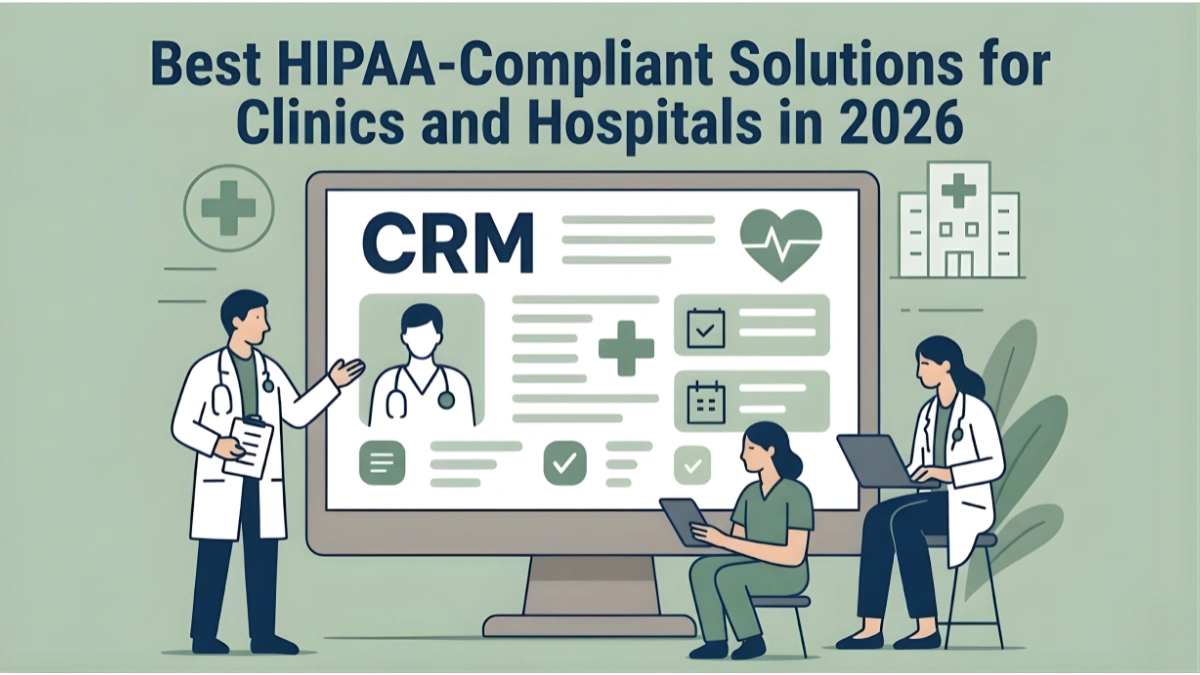
Healthcare providers, hospitals, clinics, and medical networks now depend heavily on specialized CRM software because patient engagement, regulatory compliance, and administrative efficiency must work together in a secure environment. Generic CRM systems often fail in healthcare because medical organizations require stronger privacy controls, patient communication workflows, and integration with healthcare records.
In high-value healthcare technology markets, software topics such as HIPAA-compliant CRM, patient engagement platforms, medical workflow automation, and hospital software continue attracting strong advertiser demand because hospitals and clinics make high-budget software decisions. Healthcare CRM adoption is growing rapidly because patient expectations and regulatory standards continue increasing
Why Healthcare Providers Need Specialized CRM Software
Healthcare CRM systems are designed to manage regulated patient relationships rather than simple contact records.
Main benefits include:
- Patient lifecycle tracking
- Appointment follow-ups
- Secure communication
- Compliance support
- Care coordination improvement
This helps healthcare teams improve service quality while reducing administrative pressure.
Key Features Healthcare CRM Must Include
A healthcare CRM must support both patient care operations and legal compliance.
Important features include:
- HIPAA-ready data handling
- EHR integration
- Appointment automation
- Secure messaging
- Reporting dashboards
These features are essential in modern clinical workflows.
Best Healthcare CRM Platforms in 2026
| CRM Platform | Key Features | Best For | Starting Price |
|---|---|---|---|
| Salesforce Health Cloud | Patient lifecycle management, AI analytics, EHR integration | Large hospitals | $350+ |
| Zoho CRM | Patient records, reminders, workflow automation | Clinics | Custom pricing |
| HubSpot CRM | Outreach workflows, analytics, communication tools | Small practices | Free / Paid tiers |
| Microsoft Cloud for Healthcare | Unified patient data, analytics, virtual care support | Hospital systems | Enterprise pricing |
Salesforce Health Cloud for Large Healthcare Networks
Salesforce remains highly preferred for enterprise healthcare because of strong integration and compliance flexibility.
Main strengths:
- Large-scale patient tracking
- AI insights
- Enterprise security
This suits hospital groups and healthcare networks.
Zoho for Clinics and Smaller Providers
Zoho remains attractive for clinics seeking lower-cost customization.
Popular reasons include:
- Affordable flexibility
- Follow-up automation
- Easy workflow control
HubSpot for Patient Communication
HubSpot is increasingly used where outreach and communication matter most.
Strong benefits:
- Email workflows
- Patient engagement campaigns
- Easy onboarding
Microsoft for Integrated Healthcare Systems
Microsoft is preferred where hospitals already use its enterprise ecosystem.
Main advantages:
- Unified data access
- Cloud security
- Virtual care support
How Healthcare Organizations Should Choose CRM
Software selection should begin with compliance requirements.
Main decision factors:
- Regulatory fit
- Patient volume
- Integration support
- Budget
Why HIPAA Compliance Matters Most
Without compliance-ready CRM, healthcare providers face serious legal exposure.
CRM helps by supporting:
- Secure data storage
- Controlled access
- Communication logs
FAQs
1. Which CRM is best for hospitals?
Salesforce and Microsoft remain strong enterprise options.
2. Are there affordable CRM options for clinics?
Zoho and HubSpot often fit smaller budgets.
3. Can healthcare CRM integrate with EHR systems?
Yes, major platforms support integration.
4. Is HIPAA compliance essential?
Yes, for patient data protection.
5. Do healthcare CRMs support reminders?
Yes, appointment automation is common.
Conclusion: Healthcare CRM software is becoming essential because patient engagement, compliance, and operational efficiency now depend on secure digital systems. Providers choosing the right CRM often improve both patient satisfaction and internal workflow performance while staying aligned with strict healthcare regulations.
Disclaimer: This article is for informational purposes only. CRM pricing, healthcare compliance capabilities, and software integrations may change depending on provider updates and regional regulations. Healthcare organizations should verify official platform details before selecting software.