
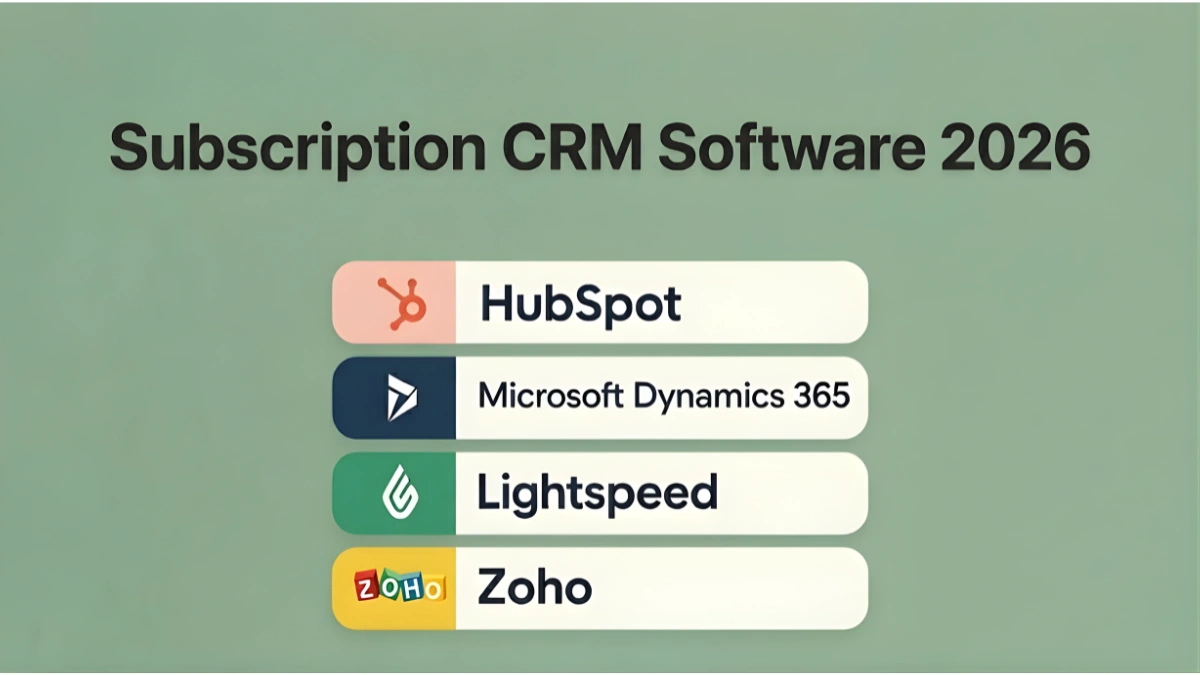
Subscription-based businesses depend on recurring revenue, customer retention, and billing accuracy, which makes CRM software one of the most important operational systems for long-term growth. SaaS companies, digital memberships, subscription e-commerce brands, and online service platforms often struggle when billing data, customer engagement, and renewal tracking are managed manually.
In high-value SaaS and billing software markets, keywords related to subscription CRM software, recurring billing tools, churn reduction platforms, and customer retention automation attract strong advertiser demand because businesses actively compare software before subscribing. A strong CRM helps subscription businesses improve renewals, reduce churn, and increase customer lifetime value
Why Subscription Businesses Need CRM Software
Subscription businesses operate differently from one-time sales models, so CRM requirements are more advanced.
Main benefits include:
- Recurring revenue tracking
- Renewal visibility
- Payment reminders
- Churn prevention
- Customer segmentation
This improves financial control and retention.
Key Features Subscription Businesses Should Prioritize
A subscription CRM should support both billing workflows and customer engagement.
Important features include:
- Recurring billing integration
- Churn analytics
- Renewal automation
- Revenue dashboards
- Payment gateway integration
These features directly support growth.
Best CRM Platforms for Subscription Businesses
| CRM Platform | Best For | Key Features | Pricing |
|---|---|---|---|
| Chargebee | SaaS and digital subscriptions | Billing automation, dunning, analytics | Custom pricing |
| HubSpot CRM | Small subscription businesses | Segmentation, automation, tracking | Free / Paid tiers |
| Zoho Subscriptions | Flexible recurring billing | Invoices, reminders, analytics | $49+ |
| Salesforce Billing | Enterprise subscriptions | Revenue workflows, analytics, automation | Custom pricing |
Chargebee for Subscription Billing Control
Chargebee remains highly preferred for businesses focused on billing automation.
Main strengths:
- Revenue tracking
- Dunning management
- Subscription lifecycle visibility
HubSpot for Customer Retention Workflows
HubSpot works well where subscription businesses need communication automation.
Popular strengths:
- Easy segmentation
- Email workflows
- Customer visibility
Zoho for Flexible Subscription Management
Zoho remains attractive for businesses wanting lower-cost recurring billing tools.
Main benefits:
- Subscription analytics
- Payment reminders
- Affordable scaling
Salesforce for Enterprise Subscription Models
Salesforce is preferred where larger subscription businesses need deep reporting.
Important advantages:
- Enterprise billing visibility
- Advanced analytics
- Large-scale workflow automation
Benefits of CRM in Subscription Growth
Businesses often report measurable gains after CRM adoption.
Main improvements include:
- Lower churn
- Higher renewal rates
- Better payment visibility
- Faster support response
FAQs
1. Can CRM connect with payment gateways?
Yes, major platforms support integration.
2. Does CRM help reduce churn?
Yes, automated reminders improve retention.
3. Is CRM useful for small subscription businesses?
Very useful even at smaller scale.
4. Can subscription CRM manage multiple plans?
Yes, major tools support flexible pricing tiers.
5. Which KPI matters most?
MRR and churn rate are critical.
Conclusion: Subscription CRM software is becoming essential because recurring revenue businesses depend on billing accuracy, customer retention, and renewal visibility. Companies choosing the right CRM often improve revenue stability, lower churn, and strengthen long-term customer value.
Disclaimer: This article is for informational purposes only. CRM pricing, billing features, and software integrations may change depending on provider updates and subscription plans. Businesses should verify official platform details before selecting software.