
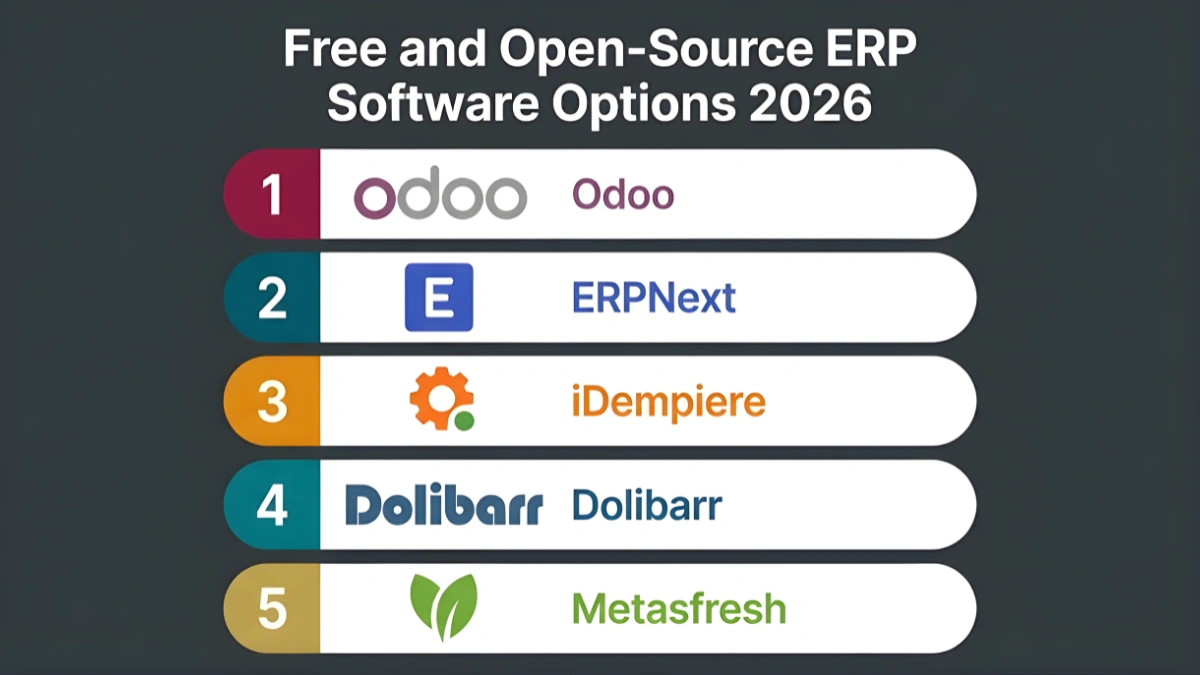
Open-source CRM software has become a strong choice for businesses that want control, lower software costs, and customization flexibility without depending fully on expensive subscription platforms. These systems help businesses manage customer relationships, sales pipelines, support workflows, and marketing activities while allowing deeper control over system structure and data handling.
In high-value software markets, keywords related to open-source CRM platforms, free customer management systems, business automation software, and scalable CRM tools attract strong advertiser demand because growing businesses actively compare affordable CRM solutions before software adoption
Why Businesses Choose Open-Source CRM
Open-source systems offer more flexibility than many standard CRM tools.
Main business advantages include:
- No major license cost
- Custom workflow control
- Self-hosting options
- Community support
- Integration flexibility
This supports long-term control.
Popular Open-Source CRM Platforms
| CRM Platform | Main Strength | Suitable For |
|---|---|---|
| SuiteCRM | Full-feature business CRM | Medium businesses |
| Odoo CRM | Modular business expansion | Growing teams |
| EspoCRM | Easy customization | Small businesses |
| Vtiger CRM | Community ecosystem | SMEs |
| CiviCRM | Nonprofit relationship management | NGOs |
Why SuiteCRM Remains Widely Used
SuiteCRM is often selected because it offers strong feature depth.
Important strengths include:
- Lead tracking
- Contact management
- Reporting dashboards
- Email workflows
How Odoo Supports Growth
Odoo works well because businesses can add modules gradually.
Main advantages include:
- CRM + accounting connection
- Inventory links
- Workflow expansion
What Businesses Should Check Before Choosing
Open-source CRM works best when teams review:
- Hosting requirements
- Technical support needs
- Integration complexity
How Open-Source CRM Helps Cost Control
Businesses often reduce long-term expense through:
- Lower recurring cost
- Flexible upgrades
- Internal customization
FAQs
1. Is open-source CRM really free?
Software is often free, hosting may cost extra.
2. Which CRM is easiest for beginners?
Odoo is often simpler.
3. Does SuiteCRM support integrations?
Yes, widely.
4. Is CiviCRM only for nonprofits?
Mostly nonprofit-focused.
5. Can small businesses use open-source CRM?
Yes, if setup needs are manageable.
Conclusion: Free and open-source CRM software gives businesses strong flexibility, cost control, and long-term customization options. Teams choosing the right platform often gain better control over customer workflows and future software growth.
Disclaimer: This article is for informational purposes only. CRM features, hosting requirements, and software capabilities may change depending on platform updates and deployment methods. Businesses should verify official platform details before selecting software.